Finding the right coffee broker can make or break your coffee trading business. Whether you’re a roaster sourcing premium Arabica beans from East Africa or an exporter looking to connect with international buyers, selecting the right brokerage partner is crucial for long-term success.
What Is a Coffee Broker?
A coffee broker serves as an intermediary between coffee producers and buyers. They facilitate transactions, ensure quality standards, handle logistics, and provide market intelligence. In regions like Uganda and East Africa, coffee brokers play an essential role in connecting smallholder farmers with global markets.
Key Factors to Consider When Choosing a Coffee Broker
1. Industry Experience and Track Record
Look for a broker with proven experience in the coffee industry. Ask about:
- Years of operation in the coffee market
- Volume of coffee traded annually
- Client testimonials and references
- Knowledge of specific coffee origins and varieties
A broker with deep roots in East African coffee markets understands regional nuances, from Ugandan Robusta characteristics to Kenyan Arabica flavor profiles.
2. Quality Assurance Capabilities
Your broker should have robust quality control processes including:
- Cupping facilities: Professional coffee laboratories for sensory evaluation
- Grading expertise: Understanding of SCA standards and local grading systems
- Sample management: Proper handling and shipping of coffee samples
- Defect identification: Trained Q-graders who can assess bean quality
3. Logistics and Documentation Support
International coffee trade involves complex logistics. Evaluate your broker’s capabilities in:
- Container booking and management
- Export documentation and compliance
- Shipping coordination and tracking
- Customs clearance assistance
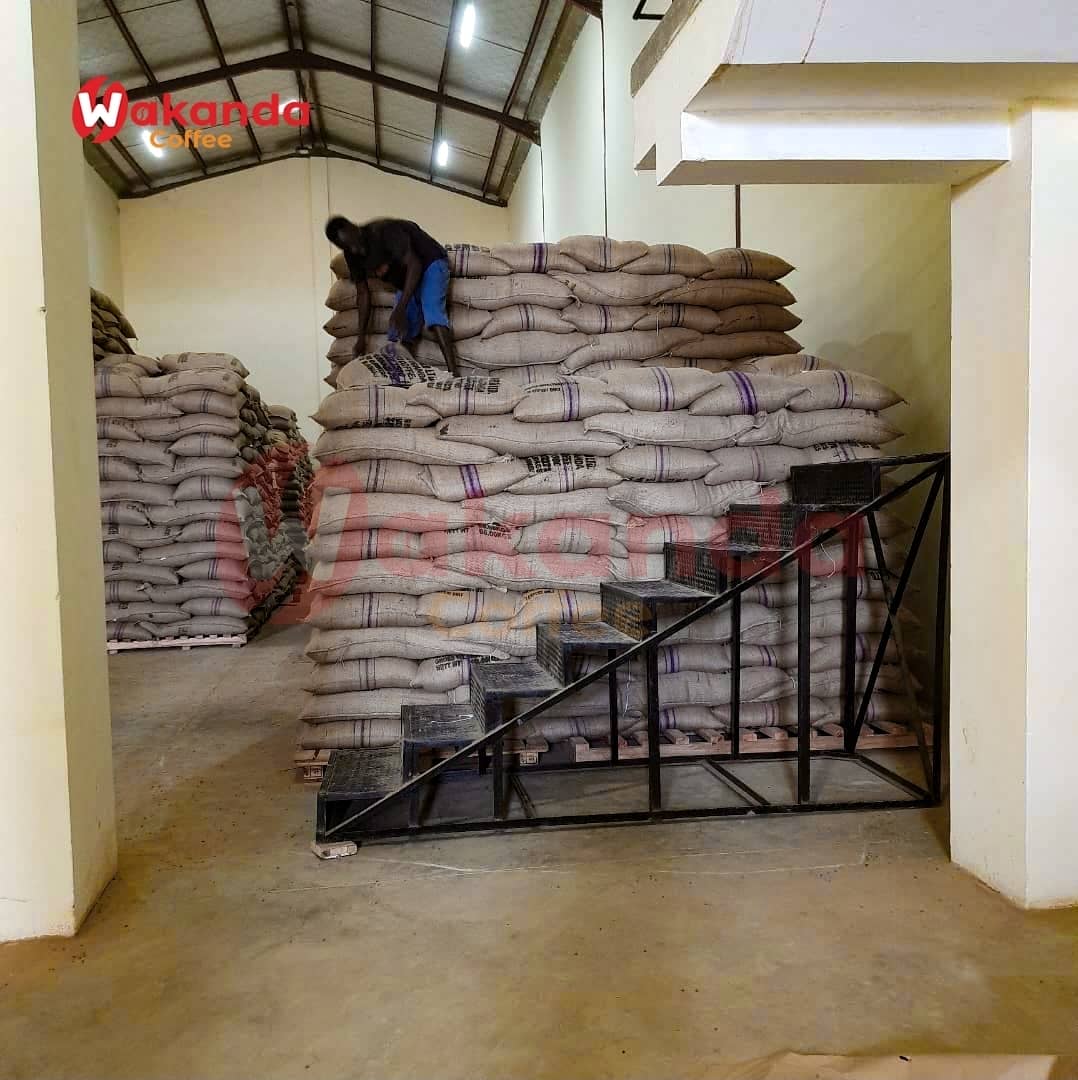
- Warehouse and storage solutions
4. Market Knowledge and Transparency
A good coffee broker provides valuable market intelligence:
- Current price trends and forecasts
- Supply and demand dynamics
- Crop reports and harvest updates
- Currency fluctuation impacts
Transparency in pricing, fees, and commission structures is non-negotiable.
5. Network and Relationships
The strength of a broker’s network determines their effectiveness:
- Connections with verified coffee producers
- Relationships with exporters and importers
- Banking and financial institution partnerships
- Certification body affiliations
Questions to Ask Potential Coffee Brokers
Before committing to a brokerage partnership, ask these essential questions:
- What regions and coffee varieties do you specialize in?
- Can you provide references from current clients?
- What quality control measures do you have in place?
- How do you handle disputes or quality claims?
- What are your commission rates and fee structures?
- Do you offer market reports and price updates?
- What certifications do you support (Fair Trade, Organic, Rainforest Alliance)?
Red Flags to Watch For
Be cautious of brokers who:
- Lack verifiable industry credentials
- Refuse to provide client references
- Have unclear or hidden fee structures
- Cannot demonstrate quality control capabilities
- Make unrealistic promises about prices or volumes
The Benefits of Working with the Right Broker
Partnering with a reputable coffee broker delivers significant advantages:
- Time savings: Focus on your core business while experts handle sourcing
- Risk mitigation: Professional oversight reduces quality and delivery risks
- Market access: Tap into networks you couldn’t access independently
- Cost efficiency: Leverage broker expertise to optimize procurement costs
- Quality assurance: Benefit from professional cupping and grading services
Conclusion
Choosing the right coffee broker requires careful evaluation of experience, capabilities, and alignment with your business needs. Take time to research potential partners, request references, and assess their quality control processes. The right brokerage relationship becomes a strategic asset that supports your growth in the competitive global coffee market.
Keywords: coffee broker, coffee brokerage services, how to choose coffee broker, coffee sourcing, coffee trading, East African coffee, Uganda coffee broker, coffee supply chain
Meta Description: Learn how to choose the right coffee broker for your business. Discover key factors including quality assurance, logistics support, market knowledge, and what questions to ask potential brokerage partners.