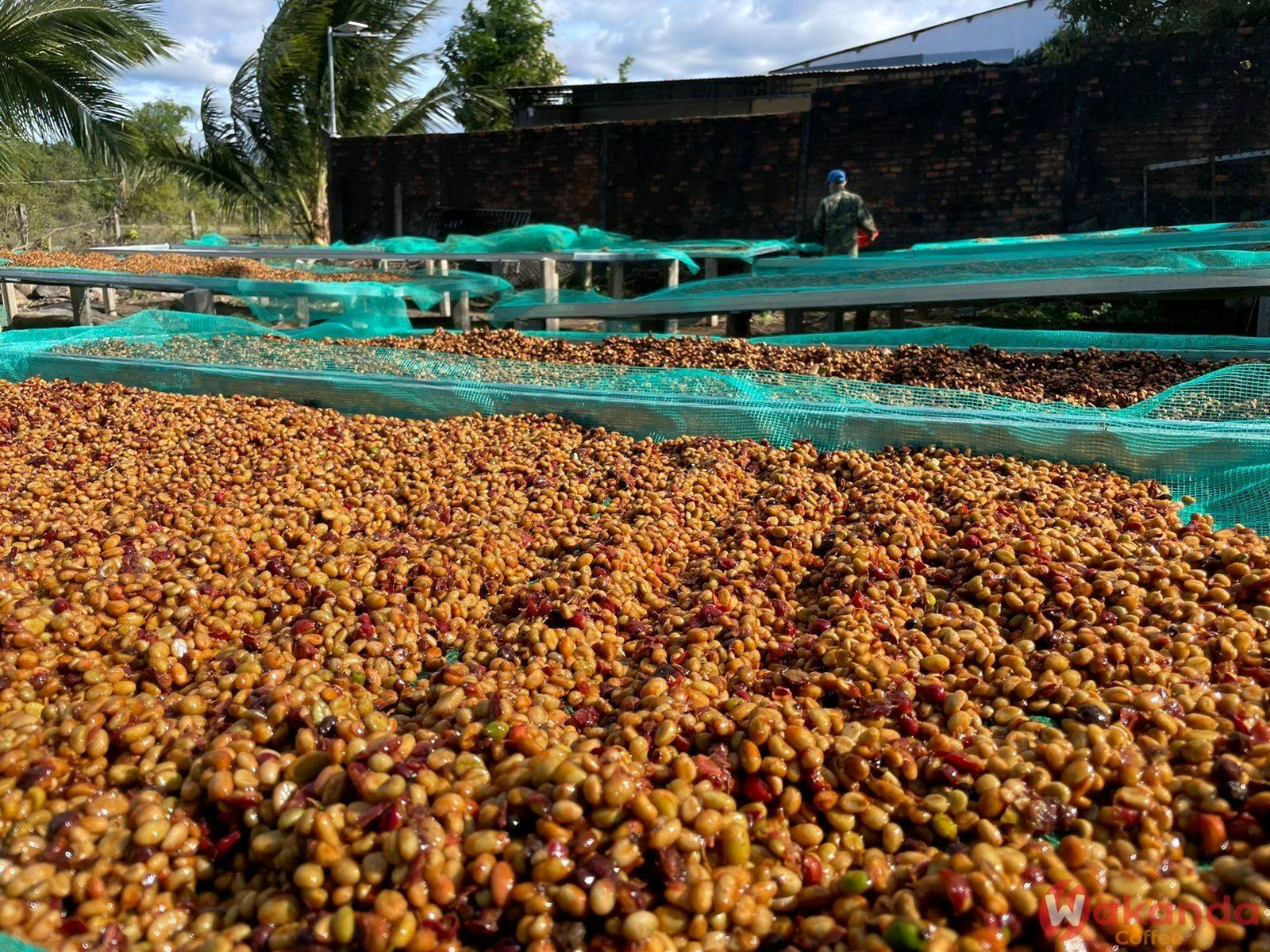
In the coffee industry, transaction-focused buying is giving way to relationship-driven sourcing. Roasters, importers, and traders who invest in long-term supplier partnerships gain access to better coffee, more stable supply, and mutual business growth. This guide explores how to build and maintain lasting relationships with coffee suppliers.
Why Long-Term Relationships Matter
Benefits for Buyers
Consistent Quality:
- Suppliers prioritize quality for committed partners
- Better lots reserved for loyal buyers
- Early access to exceptional micro-lots
Supply Security:
- Guaranteed allocations during shortage years
- Priority during high-demand periods
- Protection against market volatility
Cost Efficiency:
- Stable pricing through market fluctuations
- Reduced transaction costs
- Better payment terms
Risk Reduction:
- Known quality standards
- Reliable delivery performance
- Established dispute resolution processes
Benefits for Suppliers
Revenue Stability:
- Predictable sales volumes
- Multi-year planning capability
- Investment confidence
Improved Economics:
- Fair pricing negotiations
- Reduced marketing costs
- Lower buyer acquisition expenses
Quality Feedback:
- Specific cupping insights
- Market preference information
- Continuous improvement guidance
Building the Foundation
1. Start with Clear Communication
Effective relationships begin with transparent communication:
- State your needs clearly: Volume requirements, quality standards, timing preferences
- Understand supplier capabilities: Production capacity, quality potential, certification status
- Discuss challenges openly: Address potential issues before they become problems
- Establish regular contact: Schedule periodic check-ins beyond transaction discussions
2. Visit Origin
Nothing builds relationships like face-to-face meetings:
- Farm visits: See production firsthand and understand challenges
- Cupping together: Share quality assessments and preferences
- Meet the team: Build personal connections with key people
- Experience the culture: Understand the context of coffee production
3. Pay Fairly and Promptly
Financial treatment sets relationship tone:
- Competitive pricing: Pay prices that reflect quality and relationship value
- Timely payments: Meet payment terms without excuses
- Transparent terms: Clear, written agreements prevent misunderstandings
- Pre-financing when possible: Support suppliers’ cash flow needs
Deepening Partnerships
Quality Collaboration
Move beyond quality assessment to quality improvement:
- Share cupping feedback: Specific, actionable notes help suppliers improve
- Identify quality factors: Help pinpoint what creates exceptional lots
- Support improvements: Fund or co-invest in quality infrastructure
- Experiment together: Try new processing methods or varieties
Long-Term Commitments
Formalize relationship depth:
- Multi-year contracts: Commit to purchasing over multiple seasons
- Volume guarantees: Specify minimum purchase quantities
- Price frameworks: Establish pricing mechanisms that benefit both parties
- Quality bonuses: Reward exceptional lots with premium payments
Mutual Business Development
Grow together:
- Marketing collaboration: Co-promote origin stories and farmer profiles
- Market intelligence: Share trends and opportunities
- Sustainability initiatives: Partner on environmental and social programs
- Training and education: Invest in supplier capacity building
Managing Relationship Challenges
Price Disagreements
When price expectations differ:
- Reference market data objectively
- Discuss quality-based adjustments openly
- Consider multi-year pricing arrangements
- Find creative solutions (volume commitments, early payment)
Quality Issues
When coffee doesn’t meet expectations:
- Address issues promptly but respectfully
- Provide specific, documented feedback
- Distinguish isolated incidents from systemic problems
- Work together on solutions rather than assigning blame
Supply Shortfalls
When suppliers can’t deliver:
- Understand the root cause (weather, logistics, market conditions)
- Discuss alternative solutions together
- Maintain perspective—long-term value exceeds single transactions
- Document lessons for future planning
Communication Best Practices
Regular Touchpoints
Maintain connection throughout the year:
| Period | Communication Focus |
|---|---|
| Pre-harvest | Production expectations, quality outlook |
| Harvest | Progress updates, sample availability |
| Post-harvest | Quality results, logistics planning |
| Off-season | Market trends, improvement initiatives |
Digital Tools
Leverage technology for communication:
- Video calls: Regular face-to-face discussions
- Messaging apps: Quick updates and informal communication
- Shared platforms: Document and sample tracking
- Photo sharing: Visual updates on production and processing
Cultural Considerations
Respect cultural differences:
- Learn appropriate greeting and communication styles
- Understand local business customs
- Be patient with language barriers
- Show genuine interest in culture beyond business
Measuring Relationship Health
Track indicators of strong partnerships:
- Volume consistency: Are purchases stable or growing?
- Quality trajectory: Is quality improving over time?
- Communication quality: Are discussions open and productive?
- Issue resolution: Are problems solved effectively?
- Mutual referrals: Do partners recommend each other?
Case Example: Building Trust Over Time
Year 1: Initial transactions, sample evaluation, basic communication
Year 2: First origin visit, deeper quality discussions, modest volume growth
Year 3: Multi-year pricing agreement, joint quality improvement project
Year 4: Exclusive access to special lots, co-investment in processing equipment
Year 5+: True partnership with shared goals and mutual success
Common Mistakes to Avoid
- Treating relationships as transactions: Focus only on price and ignore partnership value
- Inconsistent communication: Disappearing between purchases
- Unfair price pressure: Exploiting market conditions to extract lower prices
- Ignoring problems: Letting issues fester rather than addressing them
- Taking suppliers for granted: Assuming loyalty without reciprocating
Conclusion
Building long-term relationships with coffee suppliers requires commitment, communication, and mutual respect. The investment pays dividends in quality access, supply security, and business stability. In a competitive coffee market, strong supplier relationships become sustainable competitive advantages.
Keywords: coffee supplier relationships, coffee sourcing partnerships, building coffee trade relationships, long-term coffee suppliers, coffee buying relationships, coffee supply chain partnerships
Meta Description: Learn how to build lasting relationships with coffee suppliers. Discover strategies for developing partnerships that deliver better quality, stable supply, and mutual business growth in the coffee trade.