Exporting coffee is a rewarding but complex business. For new entrants in Uganda and East Africa, navigating regulations, logistics, quality control and markets can be overwhelming. This guide offers a step-by-step roadmap to get started.
1. Understand the Market & Demand
- Research import market preferences (Arabica vs Robusta, processing type, certifications)
- Evaluate current export data: Uganda’s coffee exports surged in 2025, with July exports rising 21.4 % year-on-year. :contentReference[oaicite:11]{index=11}
- Determine your target buyer segment: commodity, specialty, niche, direct trade
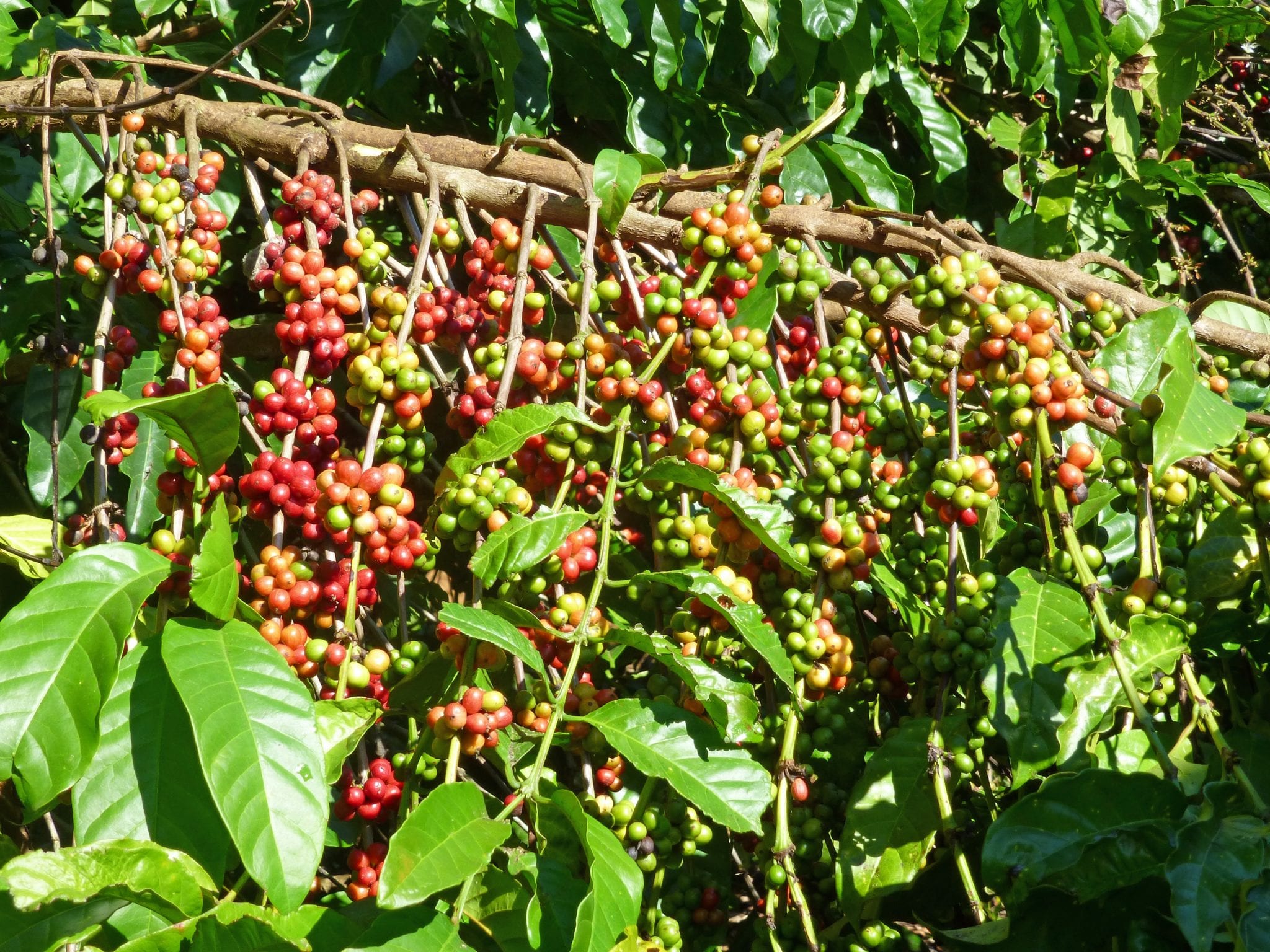
2. Source Reliable Coffee
- Identify farms/cooperatives with good yields and practices
- Negotiate supply agreements and sampling rights
- Inspect lots, collect representative samples for lab testing
- Reinforce traceability from farm to warehouse
3. Set Up Quality & Lab Systems
- Establish or partner with a lab for moisture analysis, defect counts, cupping
- Train staff on sampling, sorting, grading
- Adopt reserve sample practices to mitigate future disputes
4. Legal & Licensing Requirements
- Register as an exporter with relevant Ugandan authorities
- Obtain export permits, trade licenses
- Comply with Uganda Coffee Development Authority (UCDA) regulations
- Stay updated on changes in export rules, taxes, or regulations
5. Compliance & Documentation
Key documents to prepare:
- Phytosanitary certificate
- Certificate of origin
- Quality / analysis certificates
- Commercial invoice & packing list
- Bill of lading or airway bill
- Customs declarations
- Certifications (organic, sustainability, deforestation compliance)
Ensure all documentation matches exactly in details (weights, lot numbers, HS codes).
6. Logistics Planning
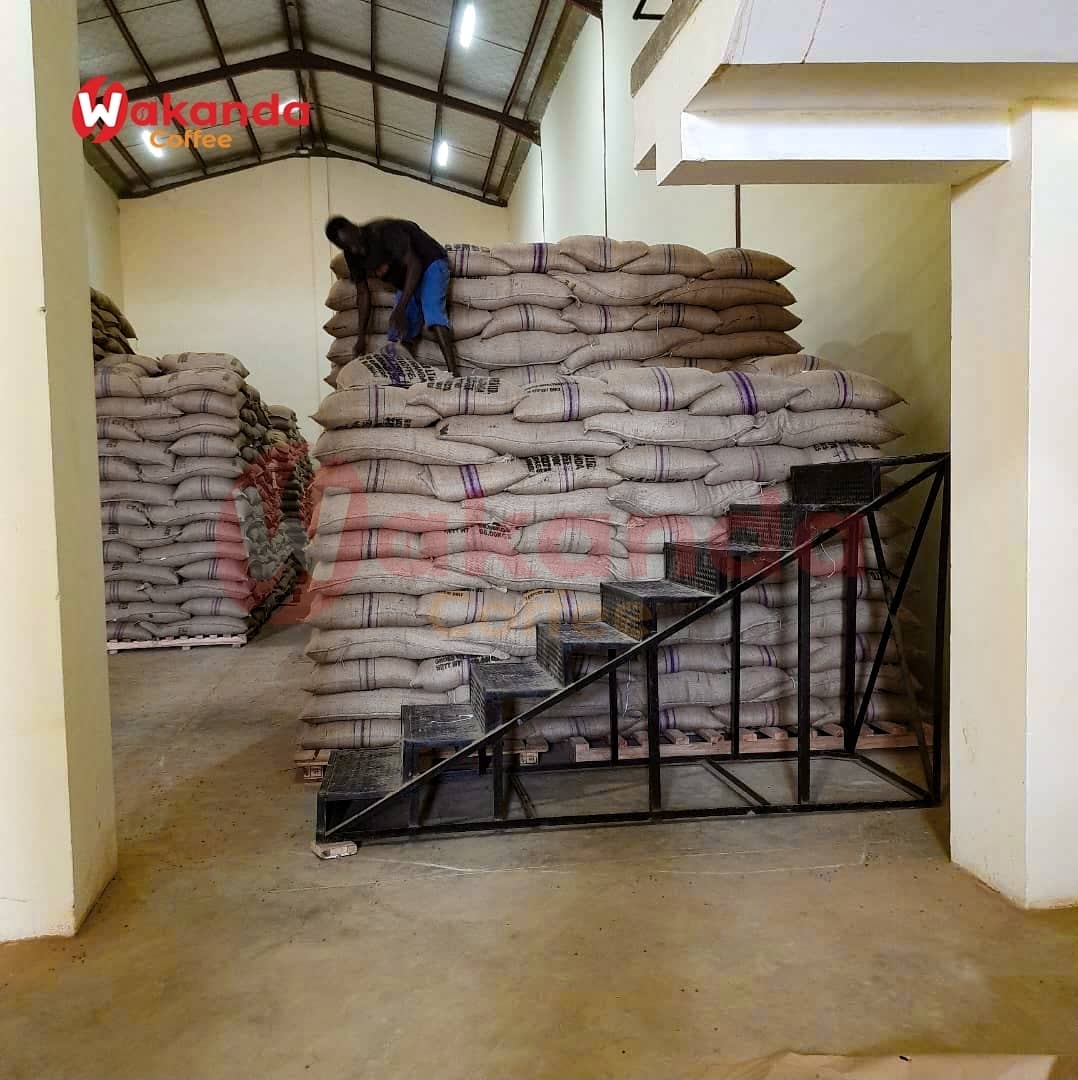
- Farm → local warehouse → port transport
- Choose freight forwarders, carriers, and shipping routes
- Book containers, secure container inspection, supervise loading
- Use data loggers for monitoring during transit
- Plan backup routes or contingency plans
7. Quality Assurance During Transit
- Monitor container conditions (humidity, temperature)
- Use sealed containers and verify cleanliness
- Maintain communication with importer or destination port
- Have insurance and claims mechanisms in place
8. Finding Buyers & Marketing
- Attend coffee trade shows (e.g. World of Coffee, SCA events)
- Use broker networks or coffee trading platforms
- Highlight origin, traceability, certifications, quality scores
- Provide sample lots, cupping reports, and storytelling
9. Financial & Risk Management
- Negotiate payment terms (LC, T/T advance)
- Consider hedging price risk or forward contracts
- Maintain working capital for farm payments, logistics, lab costs
- Insure shipments and quality risk
10. Scaling & Continuous Improvement
- Monitor buyer feedback, rejections, defect rates
- Invest in better processing, sorting, lab equipment
- Build long-term relationships with farms and buyers
- Innovate with processing methods, certifications, traceability
Conclusion & Call to Action
Exporting coffee from Uganda is not trivial — but with the right systems, support, quality, and relationships, it’s highly rewarding. Start small, document carefully, and build credibility.
If you’re planning your first export, need help with compliance, quality systems, or buyer connections, Wakanda Coffee Brokers is ready to support you. Reach out and let us walk you through each step.