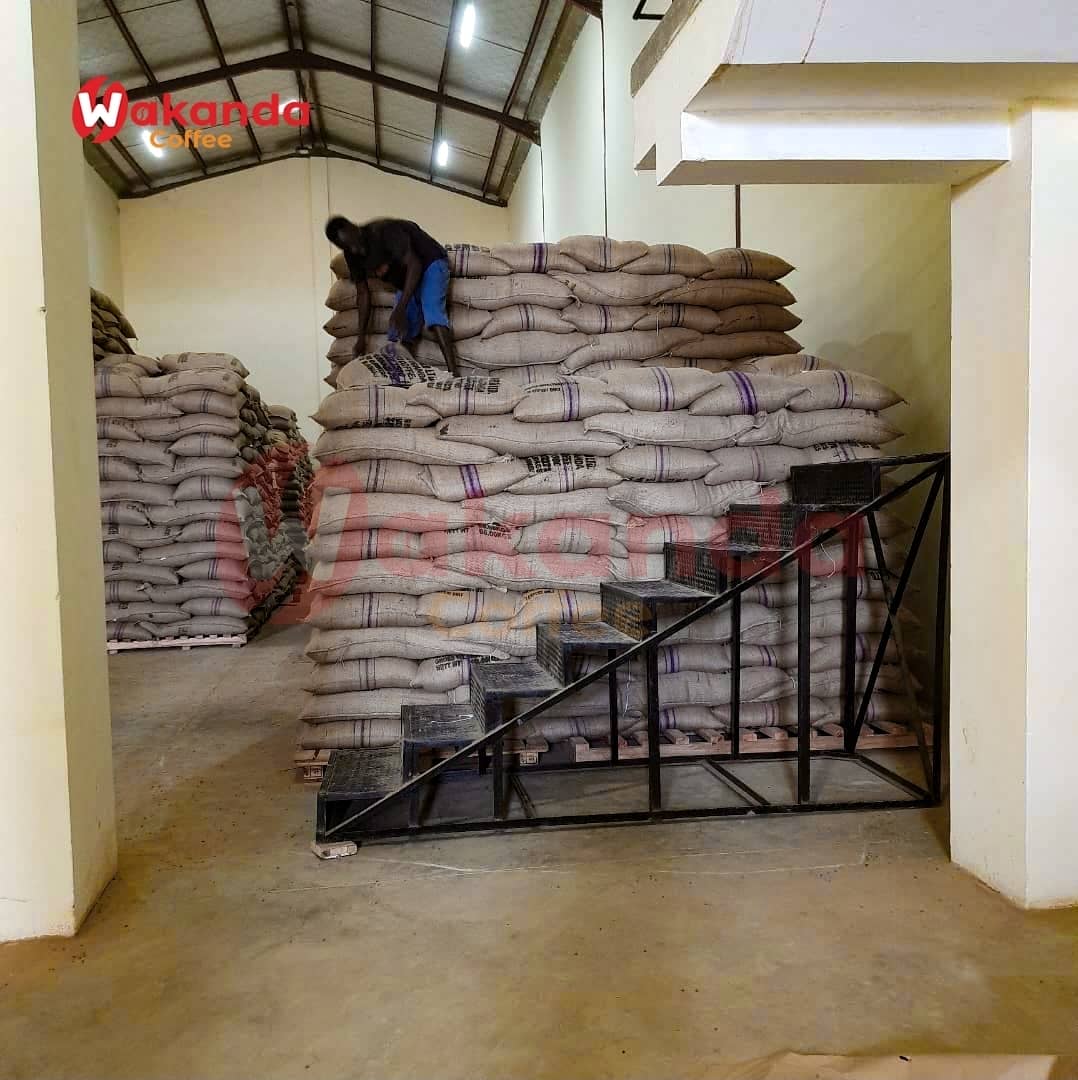
Proper storage is critical in the coffee supply chain. Green coffee can maintain quality for months or deteriorate within weeks depending on storage conditions. For exporters, importers, and warehouse operators, implementing best practices ensures coffee reaches buyers in optimal condition.
Why Storage Conditions Matter
Quality Preservation
Coffee is hygroscopic and porous, making it vulnerable to:
- Moisture absorption: Leading to mold, fermentation, and defects
- Aroma loss: Volatile compounds dissipate over time
- Flavor degradation: Staleness and off-flavors develop
- Physical damage: Insects, rodents, and contamination
Financial Impact
Poor storage results in:
- Quality downgrades and price reductions
- Rejected shipments and disputes
- Reputation damage with buyers
- Complete loss of unsaleable lots
Optimal Storage Conditions
Temperature
Ideal range: 15-20°C (59-68°F)
- Stable temperatures prevent condensation
- Avoid exposure to extreme heat or cold
- Temperature fluctuations accelerate aging
- Air conditioning may be necessary in tropical climates
Relative Humidity
Target range: 50-65% RH
- Below 50%: Coffee may dry excessively
- Above 70%: Risk of mold and moisture absorption
- Consistent humidity prevents cycling damage
- Dehumidification essential in humid climates
Ventilation
Proper air circulation prevents:
- Moisture accumulation in microclimates
- Temperature stratification in storage areas
- Stagnant air promoting mold growth
- Odor buildup from surrounding materials
Light Exposure
Minimize light exposure:
- UV light accelerates degradation
- Natural light heats storage areas unevenly
- Opaque packaging provides protection
- Warehouse lighting should be controlled
Warehouse Infrastructure
Building Requirements
Location considerations:
- Away from industrial odor sources
- Accessible for loading and unloading
- Protected from flooding
- Secure from theft
Construction standards:
- Solid, waterproof roof
- Moisture-resistant floors (concrete recommended)
- Sealed walls preventing pest entry
- Adequate ceiling height for stacking
Environmental Control Systems
Climate control options:
| System | Application | Considerations |
|---|---|---|
| Air conditioning | Temperature control | High energy cost |
| Dehumidifiers | Humidity reduction | Maintenance required |
| Ventilation fans | Air circulation | Low operating cost |
| Insulation | Temperature stability | One-time investment |
Monitoring Equipment
Essential monitoring tools:
- Temperature loggers: Continuous recording at multiple points
- Humidity sensors: Track RH throughout storage
- Moisture meters: Regular spot checks of coffee
- Data logging systems: Historical tracking and alerts
Stacking and Organization
Pallet Usage
Always store coffee on pallets:
- Minimum 10cm clearance from floor
- Prevents moisture wicking from concrete
- Enables air circulation underneath
- Facilitates inventory movement
Stacking Guidelines
Maximum heights:
- Jute bags: 10-15 bags high (depending on bag weight)
- GrainPro/hermetic bags: Follow manufacturer guidelines
- Bulk bags (supersacks): Usually 2 high maximum
Spacing requirements:
- Minimum 50cm from walls
- Aisles for inspection and air flow
- Separation between different lots
- Access paths for sampling
Lot Segregation
Organize by:
- Origin and grade
- Processing method
- Certification status
- Customer allocation
- Arrival date (FIFO rotation)
Packaging Considerations
Traditional Jute Bags
Advantages:
- Breathable, traditional presentation
- Biodegradable and reusable
- Lower packaging cost
Disadvantages:
- Allows moisture exchange
- Provides limited protection
- Shorter quality window
Hermetic Packaging (GrainPro, etc.)
Advantages:
- Moisture barrier protection
- Pest prevention
- Extended quality life
- Maintains stable water activity
Best practices:
- Seal bags properly at origin
- Inspect for tears before storage
- Replace damaged liners immediately
- Monitor internal conditions
Vacuum Packaging
Applications:
- High-value specialty lots
- Extended storage requirements
- Long-distance shipping
Pest Management
Common Coffee Pests
- Coffee bean borer: Attacks stored green coffee
- Grain weevils: Infest warehouse environments
- Rodents: Contamination and bag damage
- Moths: Larvae feed on coffee beans
Integrated Pest Management
Prevention:
- Seal building entry points
- Screen windows and vents
- Maintain cleanliness
- Regular inspections
Monitoring:
- Pheromone traps for insects
- Visual inspection schedules
- Early detection protocols
- Record keeping
Control measures:
- Fumigation when necessary (following regulations)
- Physical barriers and traps
- Temperature treatment options
- Immediate isolation of affected lots
Stock Rotation
First In, First Out (FIFO)
Implement strict FIFO rotation:
- Track arrival dates clearly
- Position older stock for priority shipping
- Monitor aging inventory
- Flag lots approaching quality windows
Quality Window Guidelines
| Storage Type | Optimal Period | Maximum Period |
|---|---|---|
| Jute (controlled) | 6-9 months | 12 months |
| Jute (ambient tropical) | 3-4 months | 6 months |
| Hermetic (GrainPro) | 12-18 months | 24 months |
| Vacuum sealed | 18-24 months | 36 months |
Documentation and Traceability
Record Keeping
Maintain detailed records:
- Lot identification and origin
- Arrival dates and quantities
- Storage location (warehouse mapping)
- Condition upon receipt
- Sample results over time
- Movement history
Quality Monitoring
Regular assessment schedule:
- Upon arrival: Baseline quality evaluation
- Monthly: Visual inspection, moisture check
- Quarterly: Cupping evaluation for long-term storage
- Pre-shipment: Final quality verification
Troubleshooting Common Issues
Moisture Problems
Symptoms: Clumping, musty odor, visible mold
Causes: High humidity, leaks, condensation
Solutions: Improve ventilation, repair leaks, use dehumidifiers
Flavor Degradation
Symptoms: Flat cup, cardboard notes, staleness
Causes: Age, temperature exposure, poor packaging
Solutions: Improve storage conditions, reduce storage time, upgrade packaging
Pest Infestation
Symptoms: Live insects, bore holes, frass (debris)
Causes: Building gaps, contaminated arrivals, poor sanitation
Solutions: Fumigate if necessary, improve prevention, isolate affected lots
Conclusion
Effective coffee storage requires attention to environmental conditions, proper infrastructure, organized systems, and vigilant monitoring. Investment in storage capabilities protects coffee quality, preserves value, and ensures buyers receive coffee that meets expectations. For East African exporters, proper warehousing is essential to maintaining the reputation of regional coffees in global markets.
Keywords: coffee storage, green coffee warehouse, coffee storage conditions, coffee warehouse best practices, preserving coffee quality, coffee moisture control, coffee pest management
Meta Description: Learn essential coffee storage best practices for maintaining green coffee quality. Discover optimal conditions, warehouse requirements, packaging options, and pest management strategies.