Timing is crucial in coffee sourcing. Understanding Uganda’s coffee harvest seasons helps buyers plan purchases, ensure fresh coffee, and capitalize on quality windows. This guide explains when Ugandan coffee is harvested, processed, and ready for export.
Uganda’s Dual Harvest Calendar
Unlike many coffee origins with a single annual harvest, Uganda benefits from bimodal rainfall patterns that produce two harvests in most regions.
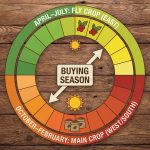
Main Harvest (October – February)
The primary harvest accounts for approximately 60-70% of annual production:
- Peak months: November – January
- Arabica: Main harvest from Mt. Elgon and highland regions
- Robusta: Primary harvest from central and western regions
- Export availability: January – April
Fly Crop (April – July)
The secondary harvest produces 30-40% of annual volume:
- Peak months: May – June
- Generally smaller yields than main harvest
- Quality varies by region and conditions
- Export availability: July – September
Regional Harvest Variations
Eastern Uganda (Arabica)
Mt. Elgon Region (Bugisu, Sebei):
- Main harvest: October – January
- Fly crop: May – July
- Altitude: 1,500 – 2,300 meters
- Processing: Primarily washed
Harvest characteristics:
- Cool highland temperatures slow ripening
- Extended cherry maturation enhances sweetness
- Quality peaks in main harvest
- Best cupping profiles from December-January pickings
Central Uganda (Robusta)
Lake Victoria Crescent:
- Main harvest: November – February
- Fly crop: May – August
- Altitude: 1,000 – 1,300 meters
- Processing: Natural and washed
Harvest characteristics:
- Moderate elevation
- Good rainfall distribution
- Consistent yields both seasons
- Year-round availability possible
Western Uganda (Arabica & Robusta)
Rwenzori Mountains:
- Main harvest: October – December
- Fly crop: April – June
- Altitude: 1,400 – 2,200 meters
- Processing: Washed Arabica
Harvest characteristics:
- Growing specialty coffee region
- High altitude Arabica
- Distinct flavor profiles
- Emerging direct trade interest
Northern Uganda (Robusta)
West Nile Region:
- Main harvest: November – January
- Altitude: 900 – 1,200 meters
- Lower production volumes
- Developing coffee region
Coffee Export Availability Calendar
| Month | What’s Available | Notes |
|---|---|---|
| January | Fresh main crop arriving | Peak quality window opens |
| February | Main crop fully available | Best selection |
| March | Main crop | Fresh stocks |
| April | Main crop / early fly crop | Transition period |
| May | Late main crop / fly crop | Mixed availability |
| June | Fly crop | Secondary harvest |
| July | Fly crop | |
| August | Fly crop / limited main | New crop anticipation |
| September | Limited availability | Pre-harvest period |
| October | Early main crop | New harvest beginning |
| November | New main crop arriving | Fresh crop starts |
| December | Main crop | Quality arrivals |
Quality Considerations by Season
Main Harvest Quality
Generally superior quality due to:
- Optimal cherry maturation conditions
- Higher picking standards (more available labor)
- Better drying weather
- More processing attention
Cupping characteristics:
- Cleaner cup profiles
- Better acidity
- More complex flavors
- Higher specialty grade percentage
Fly Crop Quality
Quality can be good but varies:
- Faster maturation may reduce development
- Wetter conditions complicate drying
- Labor constraints during planting season
- Processing challenges
Cupping characteristics:
- Sometimes softer acidity
- Variable cup cleanliness
- Can still produce specialty grades
- Region-dependent quality
Buying Strategies by Season
Forward Purchasing (Pre-Harvest)
Secure coffee before harvest:
- Contract during September-October for main crop
- Discuss volume and quality expectations
- Negotiate pricing frameworks
- Plan shipping schedules
Advantages:
- Priority access to best lots
- Price certainty
- Relationship building
- Logistics planning time
Spot Purchasing (During/After Harvest)
Buy available coffee:
- Sample current lots
- Cup before committing
- Quick decision making
- Price comparison possible
Advantages:
- Quality verified before purchase
- Market price opportunities
- Flexibility
- No forward commitment risk
Fresh Crop Importance
Why Fresh Coffee Matters
Green coffee quality degrades over time:
- Aromatics diminish
- Acidity fades
- Flavors become muted
- Defects may develop
Freshness Windows
Optimal quality period:
- Washed Arabica: 3-9 months post-harvest
- Natural Robusta: 4-12 months post-harvest
- Hermetically stored: Extended to 12-18 months
Timing Your Purchases
For freshest Ugandan coffee:
| Coffee Type | Order By | Ship By | Arrive By |
|---|---|---|---|
| Main crop Arabica | February | March | April |
| Main crop Robusta | March | April | May |
| Fly crop | August | September | October |
Seasonal Pricing Patterns
Main Harvest Pricing
- Early season: Prices may be higher, limited availability
- Mid-season: Most competitive, full availability
- Late season: Quality lots may command premiums
Fly Crop Pricing
- Generally similar to main crop
- Quality lots may carry premiums
- Supply gaps can affect pricing
Market Timing
Consider global coffee calendar:
- Central American harvests: November – March
- Brazilian harvest: May – September
- Colombian harvests: April-June, October-December
Uganda’s harvest timing provides counter-seasonal opportunities for some buyers.
Weather and Harvest Impacts
Climate Variables
Weather significantly affects harvest timing and quality:
- El Niño: May shift harvest timing
- La Niña: Often affects yields
- Irregular rainfall: Cherry development impacts
- Temperature extremes: Quality and timing effects
Monitoring Crop Progress
Stay informed through:
- Exporter crop updates
- UCDA (Uganda Coffee Development Authority) reports
- Trade news and market reports
- Direct communication with suppliers
Planning Your Sourcing Calendar
Annual Planning Template
Q1 (January – March):
- Receive main crop samples
- Cup and select lots
- Finalize main crop purchases
- Begin main crop shipments
Q2 (April – June):
- Complete main crop shipping
- Monitor fly crop development
- Begin fly crop sampling
- Market current year’s coffee
Q3 (July – September):
- Finalize fly crop purchases
- Ship fly crop
- Assess crop year results
- Plan for upcoming main harvest
Q4 (October – December):
- Early main crop arrivals
- Forward contract discussions
- Relationship visits (harvest time)
- New season planning
Conclusion
Understanding Uganda’s coffee harvest calendar enables smarter buying decisions. The dual harvest pattern offers year-round availability, while timing purchases to fresh crop windows ensures optimal quality. Working closely with suppliers and staying informed about crop conditions helps buyers secure the best Ugandan coffee at the right time.
Keywords: Uganda coffee harvest season, when to buy Ugandan coffee, coffee harvest calendar Uganda, fresh crop coffee, Uganda coffee availability, coffee sourcing timing, Arabica harvest Uganda
Meta Description: Learn when to buy Ugandan coffee with this comprehensive harvest season guide. Understand main and fly crop timing, regional variations, and strategies for sourcing fresh, quality coffee from Uganda.