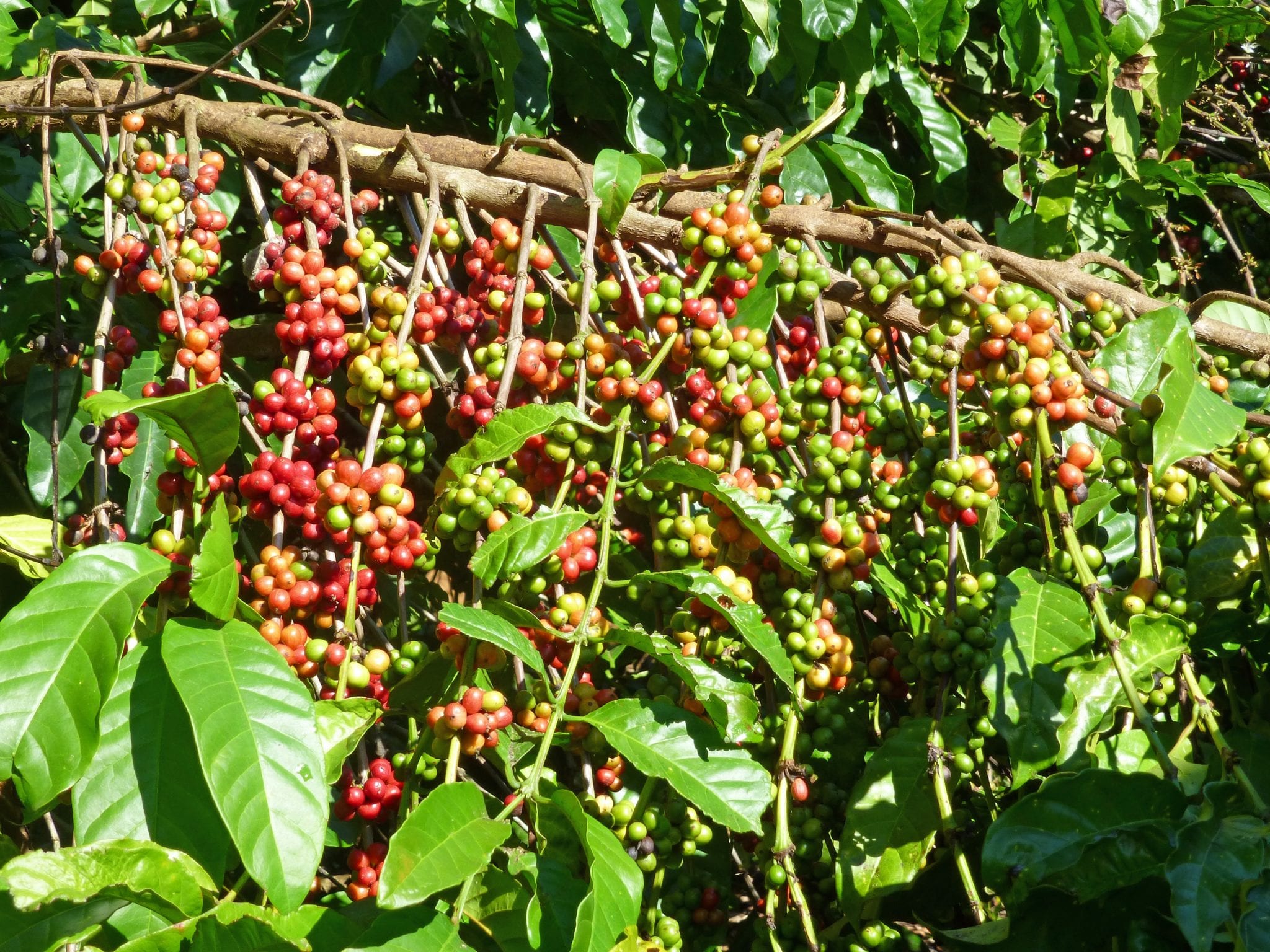
Coffee processing is one of the most important factors influencing flavor, quality, and market value. For buyers sourcing from East Africa, understanding the difference between washed and natural coffees is essential.
What is Coffee Processing?
After harvesting, coffee cherries must be processed to remove the outer layers and prepare the beans for drying. The method used significantly affects the final cup profile.
The two most common methods are:
- Washed (Wet Process)
- Natural (Dry Process)
Washed Coffee (Wet Process)
In the washed method, the coffee cherry is depulped, fermented, and washed before drying.
Key Characteristics:
- Clean, bright acidity
- Consistent flavor profiles
- Highlighted origin characteristics
Common in:
- Kenya
- Rwanda
- Uganda (Arabica regions)
Buyer Advantage:
Washed coffees are often preferred in specialty markets due to their clarity and precision in flavor.
Natural Coffee (Dry Process)
In the natural method, whole coffee cherries are dried with the fruit still intact before being hulled.
Key Characteristics:
- Fruity, wine-like flavors
- Heavier body
- More complex sweetness
Common in:
- Ethiopia
- Some Ugandan regions
Buyer Advantage:
Natural coffees offer bold, distinctive profiles that stand out in specialty blends.
How Processing Affects Pricing
Processing methods influence:
- Labor costs
- Water usage
- Risk levels (fermentation defects, mold)
Naturals can be cheaper to produce but riskier, while washed coffees often command higher and more stable prices due to consistency.
Choosing the Right Coffee for Your Market
Buyers should consider:
- Target consumer preferences
- Roasting style
- Brand positioning
For example:
- Specialty cafés → Washed coffees
- Unique blends → Natural coffees
Wakanda’s Role in Quality Selection
At Wakanda Coffee Brokers, we help buyers:
- Source both washed and natural coffees
- Evaluate cup profiles through sampling
- Match processing methods to market needs
Conclusion
Processing is more than a technical step—it’s a defining factor in coffee quality and value. Understanding these differences allows buyers to make smarter, more strategic sourcing decisions.
🔥