Featured Image Suggestions:
Content:
Climate change is no longer a distant concern—it is already transforming how coffee is grown, processed, and traded across East Africa. For buyers and exporters, understanding these changes is critical to making informed sourcing decisions.
Rising Temperatures and Shifting Altitudes
Coffee, especially Arabica, thrives within narrow temperature ranges. As temperatures rise, traditional growing regions at lower altitudes are becoming less suitable. Farmers are now moving cultivation to higher elevations where conditions remain favorable.
This shift is changing:
- Flavor profiles
- Harvest timelines
- Regional supply volumes
Unpredictable Rainfall Patterns
Erratic rainfall has disrupted flowering and harvesting cycles. Inconsistent rains can lead to:
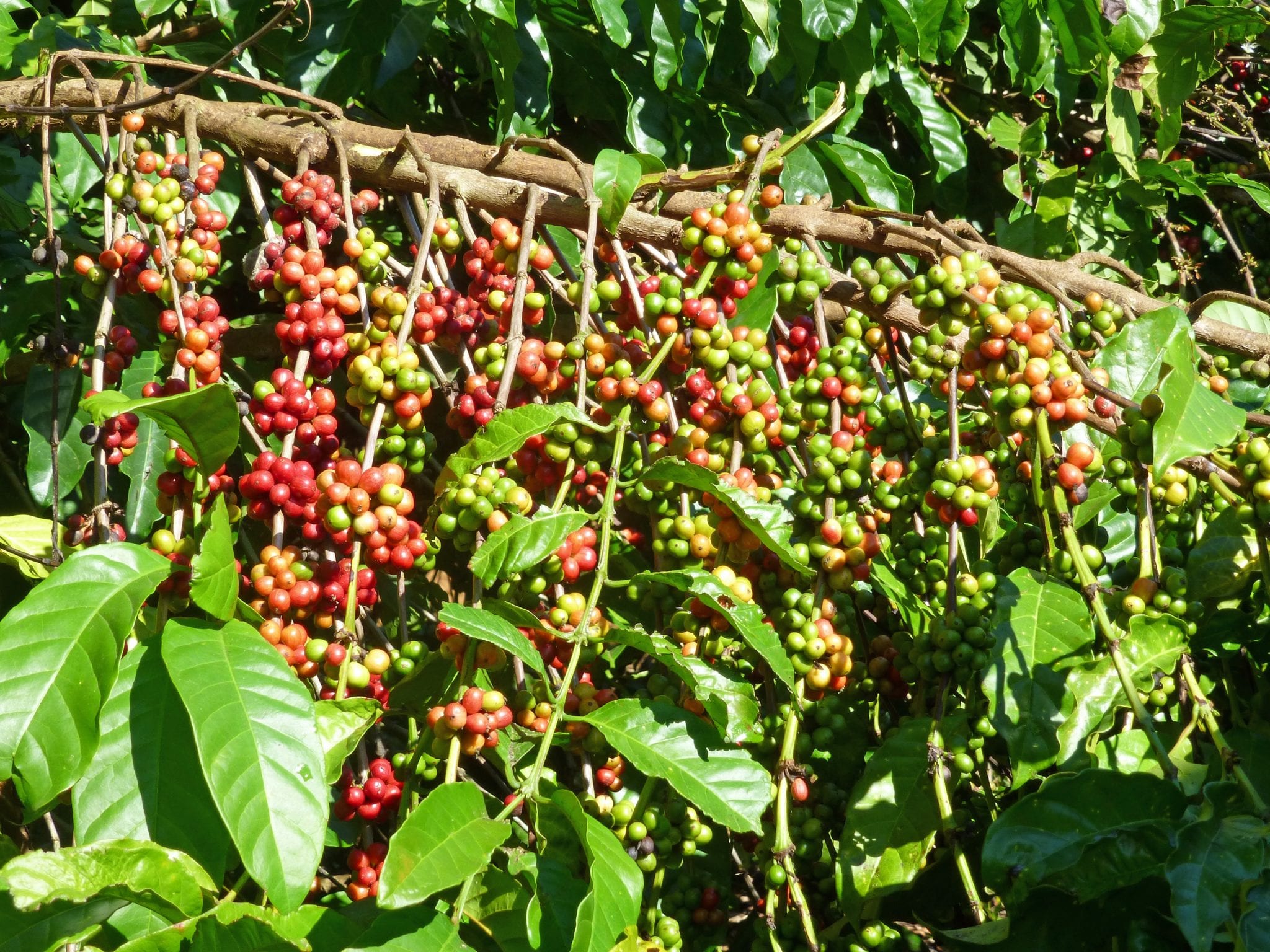
- Uneven cherry ripening
- Lower yields
- Increased production risks
For buyers, this means greater variability in lot consistency.
Increased Pest and Disease Pressure
Warmer climates are accelerating the spread of pests like the coffee berry borer and diseases such as coffee leaf rust. Farmers must now invest more in crop protection, raising production costs.
Opportunities for Specialty Coffee
Despite challenges, climate change is also driving innovation:
- Adoption of resilient coffee varieties
- Improved processing techniques
- Increased focus on quality over quantity
African coffees remain highly valued for their unique profiles, especially in the specialty market .
What This Means for Buyers
Working with experienced brokers like Wakanda ensures:
- Access to climate-resilient sourcing regions
- Consistent quality control
- Reliable long-term supply strategies
Conclusion
Climate change is reshaping the future of coffee—but with the right partnerships and sourcing strategies, it also presents new opportunities for growth and differentiation.