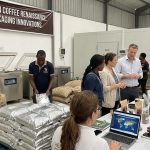
African coffee is experiencing a renaissance. Long appreciated by connoisseurs but often overshadowed by Latin American origins in mainstream markets, African coffees are now commanding unprecedented attention from roasters, buyers, and consumers worldwide. This article explores the factors driving African coffee’s rise and what it means for the industry.
Africa’s Coffee Heritage
The Birthplace of Coffee
Africa holds unique significance in coffee history:
- Ethiopia: Wild coffee forests, birthplace of Arabica
- Ancient cultivation: Centuries of coffee culture
- Genetic diversity: Thousands of heirloom varieties
- Cultural significance: Coffee ceremonies and traditions
Historical Market Position
Despite its heritage, African coffee faced challenges:
- Colonial-era commodity focus
- Infrastructure limitations
- Political and economic instability
- Quality inconsistency in commercial grades
The Current Renaissance
Specialty Market Recognition
African coffees now dominate specialty rankings:
Competition success:
- Ethiopian naturals consistently win awards
- Kenyan AA sets quality benchmarks
- Rwandan coffees gain Cup of Excellence recognition
- Burundian specialty emerging strongly
Flavor leadership:
- African coffees define “specialty character”
- Unique profiles impossible to replicate elsewhere
- Benchmark status for fruit and floral notes
Production Growth
Key African origins are expanding:
| Country | Annual Production | Growth Trend |
|---|---|---|
| Ethiopia | 450,000+ MT | Growing |
| Uganda | 400,000+ MT | Strong growth |
| Ivory Coast | 100,000+ MT | Stable |
| Kenya | 40,000+ MT | Recovering |
| Tanzania | 50,000+ MT | Stable |
| Rwanda | 20,000+ MT | Quality focus |
Quality Investments
Significant improvements in:
- Processing infrastructure
- Quality control systems
- Cupper training programs
- Direct trade relationships
Factors Driving the Rise
Global Specialty Growth
Market dynamics:
- Specialty segment growing 10-15% annually
- Consumers seeking distinctive flavors
- Roasters need differentiation
- African profiles meet these demands perfectly
Improved Quality Infrastructure
Processing advances:
- New washing stations across East Africa
- Better drying and storage facilities
- Quality control laboratories
- Cold storage and hermetic packaging
Direct Trade Relationships
Relationship evolution:
- Roasters visiting African origins
- Multi-year purchasing commitments
- Quality feedback loops
- Fair pricing discussions
Marketing and Storytelling
Compelling narratives:
- Birthplace of coffee (Ethiopia)
- Smallholder farmer stories
- Environmental sustainability efforts
- Community development impact
Origin Spotlights
Ethiopia: The Icon
Current position:
- Most sought-after specialty origin
- Premium prices for top lots
- Limited supply creates exclusivity
- Natural processed highly valued
Key growing regions:
- Yirgacheffe (floral, citrus)
- Sidamo (complex, fruit)
- Guji (berry, chocolate)
- Harrar (wild, wine-like)
Challenges:
- Export bureaucracy
- Traceability limitations
- Infrastructure gaps
- Climate change impacts
Kenya: The Benchmark
Current position:
- Quality standard for African coffee
- Auction system ensures competition
- Established international reputation
- Consistent premium pricing
Distinctive features:
- SL28 and SL34 varieties
- Unique blackcurrant/tomato notes
- Professional cupping culture
- Research institution support
Challenges:
- High prices limit accessibility
- Land pressure from development
- Climate variability
- Aging farmer population
Uganda: The Rising Star
Current position:
- Africa’s largest exporter
- Both Arabica and fine Robusta
- Growing specialty recognition
- Competitive pricing
Opportunities:
- Undervalued quality potential
- Investment in specialty sector
- Processing improvements underway
- Direct trade interest growing
Key regions:
- Mt. Elgon (Arabica)
- Rwenzori (Arabica)
- Central (Robusta)
Rwanda: The Success Story
Transformation:
- Post-conflict coffee revival
- Rapid quality improvement
- Strong government support
- Effective marketing
Current strength:
- Consistent specialty quality
- Cup of Excellence participation
- Direct buyer relationships
- Women’s empowerment focus
Emerging Origins
Burundi:
- Exceptional cup quality potential
- Underexplored by specialty market
- Similar potential to Rwanda
DR Congo:
- Unique Lake Kivu terroir
- Limited production, high quality
- Challenging logistics
Malawi:
- Small but distinctive production
- Growing specialty interest
Impact on Global Coffee Trade
Pricing Dynamics
Premium positioning:
- Top African lots command highest prices
- Ethiopians and Kenyans at apex of value pyramid
- Growing differentiation within origins
- Micro-lot premiums increasing
Sourcing Strategies
Buyer adaptations:
- Increased African allocation in portfolios
- Direct origin relationships prioritized
- Competition for limited top lots
- Multi-year commitments for security
Supply Chain Development
Infrastructure investment:
- Processing facility modernization
- Cold chain development
- Quality laboratory expansion
- Training program proliferation
Challenges and Opportunities
Persistent Challenges
Infrastructure:
- Road and port limitations
- Power and water access
- Storage and cold chain gaps
- Internet connectivity
Climate:
- Changing rainfall patterns
- Temperature increases
- Pest and disease pressure
- Yield instability
Economic:
- Price volatility impacts farmers
- Limited access to finance
- Currency fluctuations
- Input cost inflation
Significant Opportunities
Quality premiums:
- Specialty prices rising
- Direct trade expanding
- Traceability valued
- Story premiums available
Value addition:
- Processing improvements
- Local roasting growth
- Branding development
- Direct export capabilities
Technology:
- Mobile payments reaching farmers
- Agricultural apps providing information
- Quality monitoring tools
- Market transparency platforms
Future Outlook
Growth Projections
Positive indicators:
- Global specialty demand continues growing
- African origins increasingly preferred
- Investment flowing into quality
- Young farmers embracing specialty
Strategic Imperatives
For continued success:
- Quality investment: Processing, storage, training
- Relationship building: Direct buyer connections
- Sustainability focus: Environmental and social
- Infrastructure development: Roads, power, connectivity
- Youth engagement: Next generation of farmers
The Next Decade
African coffee is positioned for continued prominence:
- Leading origins maintaining premium status
- Emerging origins gaining recognition
- Quality improvements across the continent
- Stronger farmer-buyer relationships
- Growing influence on global coffee culture
Conclusion
African coffee’s rise reflects both inherent quality advantages and deliberate investments in the specialty sector. As global demand for distinctive, traceable coffees grows, African origins are uniquely positioned to meet buyer expectations. The challenge now is ensuring this success translates to sustainable benefits for the millions of African farming families who produce these exceptional coffees.
Keywords: African coffee, specialty African coffee, Ethiopian coffee, Kenyan coffee, Uganda coffee rise, African coffee origins, East African coffee
Meta Description: Explore the rise of African coffee on the global stage. Learn how Ethiopian, Kenyan, and Ugandan coffees are reshaping specialty markets and what’s driving unprecedented demand for African origins.