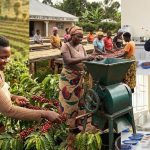
Regenerative agriculture is transforming how forward-thinking coffee farmers approach production. Moving beyond sustainability—which aims to maintain current conditions—regenerative practices actively improve soil health, biodiversity, and ecosystem function while producing quality coffee. This approach offers solutions to climate change challenges while enhancing farm productivity.
What Is Regenerative Agriculture?
Core Philosophy
Regenerative agriculture focuses on:
- Restoring degraded land: Reversing soil damage and erosion
- Building soil health: Increasing organic matter and biological activity
- Enhancing biodiversity: Creating diverse farm ecosystems
- Sequestering carbon: Capturing atmospheric CO2 in soil and biomass
- Improving water cycles: Better infiltration and retention
Beyond Sustainability
| Approach | Goal | Outcome |
|---|---|---|
| Conventional | Maximize yield | Soil degradation over time |
| Sustainable | Maintain conditions | Stable but not improving |
| Regenerative | Restore and enhance | Continuous improvement |
Key Regenerative Practices for Coffee
1. Soil Health Management
Cover cropping:
- Plant nitrogen-fixing legumes between rows
- Protect soil from erosion and sun
- Add organic matter when terminated
- Examples: mucuna, crotalaria, desmodium
Reduced tillage:
- Minimize soil disturbance
- Preserve soil structure and biology
- Allow root channels to develop
- Maintain fungal networks
Compost and organic matter:
- Apply coffee pulp compost
- Use animal manure appropriately
- Incorporate crop residues
- Build soil carbon content
2. Agroforestry Integration
Shade tree systems:
- Native tree species preferred
- Multiple canopy layers
- Fruit and timber diversification
- Microclimate regulation
Benefits of shade:
- Temperature moderation
- Moisture retention
- Leaf litter adds nutrients
- Bird and insect habitat
Tree selection criteria:
- Nitrogen-fixing species (e.g., Inga, Erythrina)
- Deep-rooted for nutrient cycling
- Appropriate canopy density
- Economic value (fruit, timber)
3. Biodiversity Enhancement
Pollinator habitat:
- Maintain flowering plants
- Provide nesting sites
- Reduce pesticide use
- Support native bee populations
Pest predator conservation:
- Bird populations for insect control
- Beneficial insects preserved
- Reduce reliance on chemicals
- Natural ecosystem balance
Diverse plant communities:
- Multiple crop species
- Varied ground covers
- Habitat corridors
- Genetic diversity in coffee varieties
4. Water Management
Contour planting:
- Plant along slope contours
- Slow water runoff
- Increase infiltration
- Reduce erosion
Swales and terraces:
- Capture and store rainwater
- Prevent gully formation
- Recharge groundwater
- Reduce downstream impacts
Living barriers:
- Vetiver grass hedgerows
- Dense plantings on slopes
- Slow and filter water
- Stabilize soil
5. Integrated Pest Management
Ecological approaches:
- Trap cropping
- Companion planting
- Biological controls
- Pheromone disruption
Reduced chemical inputs:
- Target applications only when necessary
- Organic-approved products preferred
- Preserve beneficial organisms
- Monitor pest populations
Benefits of Regenerative Coffee Farming
Environmental Benefits
Climate mitigation:
- Carbon sequestration in soil (1-3 tons/hectare/year potential)
- Reduced emissions from inputs
- Lower energy requirements
- Enhanced carbon storage in trees
Ecosystem services:
- Improved water quality
- Reduced flooding and erosion
- Wildlife habitat preservation
- Pollinator support
Farm-Level Benefits
Improved soil productivity:
- Higher water-holding capacity
- Better nutrient availability
- Enhanced root development
- Reduced fertilizer needs
Climate resilience:
- Better drought tolerance
- Reduced temperature extremes
- More stable yields
- Lower weather risk
Economic advantages:
- Reduced input costs over time
- Premium prices for regenerative coffee
- Diversified income from trees
- Lower risk from yield stability
Quality Benefits
Cup quality improvements:
- Healthy plants produce better cherries
- Balanced nutrition enhances flavor
- Slower cherry maturation under shade
- More complex flavor profiles possible
Challenges and Considerations
Transition Period
Initial challenges:
- Potential yield dip during transition
- Learning curve for new practices
- Upfront investment in trees and infrastructure
- Time to see full benefits (3-5+ years)
Managing transition:
- Phase in practices gradually
- Start with highest-impact activities
- Seek technical support
- Plan for temporary income changes
Knowledge and Training
Needs:
- Understanding of ecological principles
- Specific practice implementation skills
- Local adaptation of general principles
- Ongoing learning and adjustment
Resources:
- Agricultural extension services
- NGO training programs
- Farmer-to-farmer learning
- Research institution partnerships
Market Access
Emerging opportunities:
- Growing buyer interest in regenerative
- Certification programs developing
- Premium pricing available
- Story and marketing value
Challenges:
- Defining and verifying “regenerative”
- No universal certification yet
- Communicating value to buyers
- Scaling premium markets
Implementing Regenerative Practices
Assessment and Planning
Farm assessment:
- Current soil health status
- Existing biodiversity
- Water management analysis
- Input dependency evaluation
Goal setting:
- Define success metrics
- Prioritize practices
- Set realistic timelines
- Identify resource needs
Phased Implementation
Phase 1 (Year 1):
- Reduce synthetic inputs
- Begin cover cropping
- Plan shade tree integration
- Start composting systems
Phase 2 (Years 2-3):
- Plant shade and diversification trees
- Establish contour systems
- Expand organic matter practices
- Reduce tillage further
Phase 3 (Years 3-5+):
- Fine-tune based on results
- Expand successful practices
- Achieve integrated systems
- Measure and document outcomes
Monitoring and Adaptation
Key indicators:
- Soil organic matter content
- Water infiltration rates
- Biodiversity counts
- Yield and quality metrics
- Input costs
Market Opportunities
Premium Positioning
Buyer interest growing:
- Roasters seeking differentiation
- Corporate sustainability commitments
- Consumer awareness increasing
- Climate action alignment
Communication strategies:
- Document practices thoroughly
- Share progress stories
- Provide verifiable claims
- Connect buyers to farms
Emerging Standards
Certification developments:
- Regenerative Organic Certified (ROC)
- Climate-focused certifications
- Carbon credit programs
- Corporate sourcing standards
The Future Outlook
Industry Trends
Growing momentum:
- Major coffee companies investing
- Research expanding
- Farmer interest increasing
- Policy support emerging
Technology integration:
- Remote sensing for monitoring
- Soil testing accessibility
- Carbon measurement tools
- Knowledge sharing platforms
Long-Term Vision
Regenerative agriculture offers coffee a pathway to:
- Climate-resilient production systems
- Enhanced environmental stewardship
- Improved farmer livelihoods
- Better quality in the cup
- Sustainable industry future
Conclusion
Regenerative agriculture represents the future of coffee farming—an approach that heals damaged land, builds resilience to climate change, and produces quality coffee. While implementation requires investment and learning, the long-term benefits for farms, ecosystems, and the coffee industry make regenerative practices an essential direction for forward-thinking producers.
Keywords: regenerative agriculture coffee, sustainable coffee farming, regenerative coffee practices, soil health coffee, agroforestry coffee, climate resilient coffee farming
Meta Description: Discover regenerative agriculture practices for coffee farming. Learn how soil health, agroforestry, and biodiversity practices build climate resilience and improve coffee production sustainability.