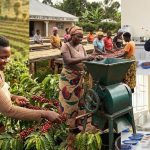
The specialty coffee market offers significant premiums over commodity prices, but accessing it requires more than just having good coffee. New exporters need to understand buyer expectations, develop quality systems, and build relationships. This guide provides a roadmap for entering the specialty segment.
Understanding the Specialty Market
What Defines Specialty Coffee
According to the Specialty Coffee Association:
- Cupping score: 80 points or above on 100-point scale
- Defect limits: Maximum 5 full defects per 350g sample
- Traceability: Known origin, farmer, and processing
- Distinct character: Identifiable flavor attributes
Market Size and Opportunity
The specialty segment represents:
- 15-20% of global coffee consumption
- Growing at 10-15% annually
- Premium prices 30-100%+ above commodity
- Strong demand in North America, Europe, Asia
Buyer Characteristics
Specialty buyers typically:
- Value quality over price
- Seek unique and distinctive coffees
- Want direct relationships with origins
- Prioritize traceability and sustainability
- Are willing to pay premiums for excellence
Prerequisites for Market Entry
Quality Foundation
Coffee must meet baseline standards:
- Cupping scores 80+ consistently
- Clean cup (no defects, taints, or faults)
- Proper moisture (10-12%) and water activity (0.55-0.60)
- Sound processing and handling
Quality infrastructure needed:
- Cupping laboratory capabilities
- Quality control protocols
- Trained cuppers (ideally Q-certified)
- Sample management systems
Traceability Systems
Buyers want to know:
- Farm or cooperative of origin
- Altitude and region
- Variety and processing method
- Harvest date
- Lot identification throughout supply chain
Documentation requirements:
- Farmer or lot registration
- Processing records
- Lot segregation protocols
- Chain of custody documentation
Export Capabilities
Operational requirements:
- Export license and regulatory compliance
- Shipping and logistics experience
- Documentation handling
- Payment processing (letters of credit, etc.)
- Communication infrastructure
Building Your Quality Program
Cupping Laboratory
Essential equipment:
- Professional cupping table
- Precision scales
- Sample roaster
- Grinder (consistent particle size)
- Cupping bowls and spoons
- Water quality management
Quality protocols:
- SCA cupping standards
- Consistent roast profiles
- Regular calibration sessions
- Documentation systems
Processing Excellence
Focus areas for quality:
- Selective picking (ripe cherry only)
- Timely processing after harvest
- Fermentation control
- Proper drying (slow, even, to target moisture)
- Clean handling and storage
Sorting and Grading
Quality selection:
- Screen size grading
- Color sorting (hand or machine)
- Defect removal
- Lot separation by quality level
Finding Buyers
Target Customer Types
Direct roasters:
- Buy smaller volumes (1-20 bags)
- Want unique, traceable lots
- Build long-term relationships
- Highest premiums but smallest volumes
Importers/green coffee traders:
- Buy larger volumes
- Represent multiple roasters
- Provide market access
- Handle logistics and payments
Specialty trading companies:
- Scale buyers with quality focus
- May offer technical support
- Established buyer networks
- Professional expectations
Marketing Your Coffee
Sample programs:
- Send samples to potential buyers
- Include cupping notes and origin info
- Follow up professionally
- Be patient—evaluation takes time
Online presence:
- Website with origin information
- Quality certifications displayed
- Contact information clear
- Regular updates on availability
Industry events:
- Specialty coffee trade shows (SCA Expo, HOST, etc.)
- Origin trips and buyer visits
- Coffee competitions
- Industry networking events
Relationship Building
Keys to success:
- Responsive communication
- Honest about capabilities and limitations
- Consistent quality delivery
- Transparency about challenges
- Long-term perspective
Pricing Strategies
Understanding Specialty Pricing
Price components:
- Base reference price (NY C market or fixed)
- Origin differential (premium/discount to reference)
- Quality premium (based on cup score)
- Certification premiums (if applicable)
- Lot size and logistics factors
Typical premium ranges:
| Score Range | Premium Over Commodity |
|---|---|
| 80-82 | +$0.20-0.50/lb |
| 83-84 | +$0.50-1.00/lb |
| 85-86 | +$1.00-2.00/lb |
| 87-89 | +$2.00-5.00/lb |
| 90+ | +$5.00-20.00+/lb |
Pricing Mistakes to Avoid
- Underpricing exceptional lots
- Overpricing based on production cost alone
- Ignoring market references
- Inflexible pricing regardless of quality
Common Challenges and Solutions
Quality Consistency
Challenge: Cupping scores vary between lots
Solutions:
- Improve picking selectivity
- Standardize processing protocols
- Better lot segregation
- Invest in training
Volume Requirements
Challenge: Buyers want more volume than available
Solutions:
- Start with smaller buyers
- Aggregate from multiple farmers (with traceability)
- Build production over time
- Be honest about limitations
Communication Gaps
Challenge: Buyers don’t respond to samples
Solutions:
- Improve sample presentation
- Follow up appropriately
- Target appropriate buyers
- Seek feedback for improvement
Logistics Issues
Challenge: Shipping delays or problems
Solutions:
- Work with experienced freight forwarders
- Plan shipments during optimal windows
- Communicate proactively about delays
- Build reliability track record
Step-by-Step Market Entry Plan
Year 1: Foundation Building
- Assess current quality (cup multiple lots)
- Identify improvement areas (processing, sorting, etc.)
- Invest in basic quality infrastructure
- Begin traceability documentation
- Send samples to target buyers
- Attend one industry event
Year 2: Market Development
- Refine quality based on feedback
- Expand sample program
- Develop 2-3 buyer relationships
- Complete first specialty sales
- Document and learn from experience
- Build reputation for reliability
Year 3+: Growth and Sustainability
- Deepen existing relationships
- Expand buyer portfolio
- Increase specialty-grade volumes
- Explore certifications if strategic
- Consider direct trade partnerships
- Invest in continuous improvement
Success Indicators
Track progress through:
- Quality metrics: Average cup scores improving
- Sales growth: Specialty volume increasing
- Pricing: Premiums above commodity
- Relationships: Repeat buyers increasing
- Reputation: Referrals and recognition
Conclusion
Breaking into the specialty coffee market requires investment in quality, traceability, and relationships. Success comes from consistently delivering excellent coffee, communicating professionally, and building trust with buyers over time. While the journey takes patience, the rewards—better prices, stronger relationships, and market recognition—make the effort worthwhile.
Keywords: specialty coffee export, how to sell specialty coffee, coffee exporter guide, breaking into specialty market, coffee buyer relationships, specialty coffee premiums
Meta Description: Learn how to break into the specialty coffee market as a new exporter. Discover quality requirements, buyer expectations, pricing strategies, and steps to position your coffee for premium markets.