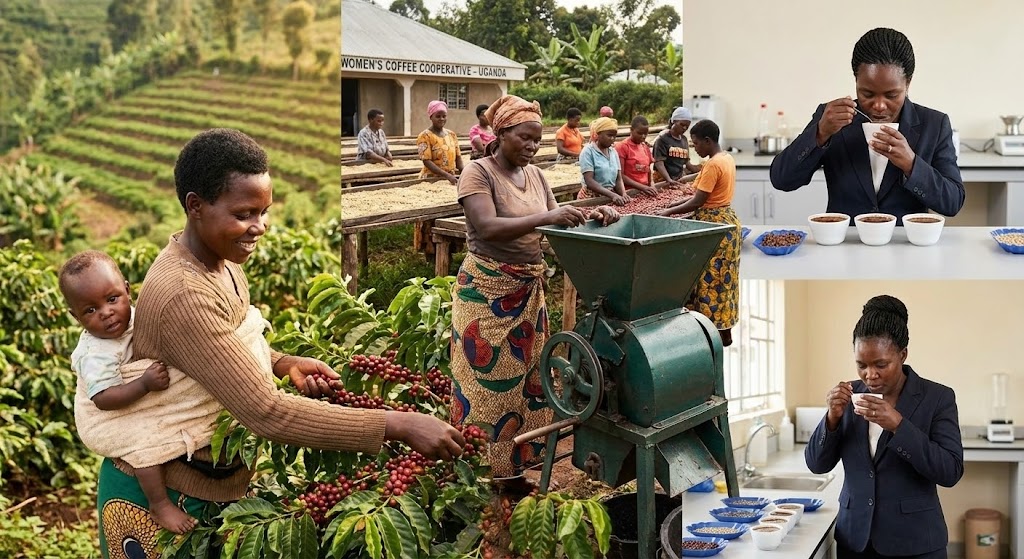
Cupping and sensory evaluation have long been the human gold standard for assessing coffee quality. But machine learning and data science are entering the space — enabling prediction, consistency, and objective insight. Exporters and brokers who adopt these tools early may gain quality assurance advantages.
1. The Challenge of Subjectivity in Cupping
Human evaluations, while skilled, can suffer from bias, fatigue, inconsistency, and inter-taster variability. Reserve samples and calibrated panels help, but the human factor remains.
Machine learning offers a way to complement human cupping by correlating physical and numerical bean attributes with predicted scores.
2. Recent Research in Coffee Rating Prediction
A recent study used machine learning models (Random Forests, XGBoost, MLP, etc.) to predict coffee ratings using a combination of bean metrics (size, defect counts, moisture) and textual review features. The study showed that ensemble models outperformed simpler classifiers. :contentReference[oaicite:8]{index=8}
Such predictive systems can assist in:
- Pre-filtering lots before sending to cupping
- Flagging batches likely to underperform
- Correlating bean attributes with expected flavor outcomes
3. How Brokers & Exporters Can Apply ML Insights
- Collect comprehensive data: size, moisture, density, defect counts per lot
- Maintain historical cupping results to train models
- Use predictions to triage lots for premium or standard channels
- Combine predictions with human cupping for final decisions
- Use models to refine sourcing and sorting criteria
4. Risks, Limitations & Best Approaches
- ML models require good, clean historical data
- Overfitting or bias if data is limited or unrepresentative
- Should not replace human cupping entirely — rather support it
- Need for regular model retraining and validation
- Transparency is important: buyers may demand explainability
Conclusion & Call to Action
Machine learning in coffee quality prediction is emerging from academia to practice. While not a replacement for human cupping, it can accelerate sorting, reduce risk, and sharpen sourcing decisions. Brokers and exporters who integrate data systems now will position themselves ahead.
If you’d like to pilot a quality prediction model using your origin data (defect counts, moisture, historical cupping) or build data infrastructure, Wakanda Coffee Brokers can collaborate with you to bring analytics into your sourcing workflows.